Oral Surgery Options from a General Dentist
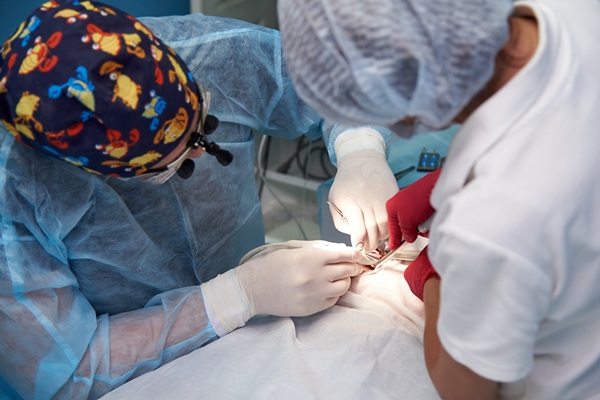
Oral surgery is sometimes necessary to correct issues that are beyond treatment from basic restorative or preventive care. A general dentist trained in oral surgery can often provide a variety of in-office procedures, offering both convenience and continuity of care. These treatments are performed in a comfortable setting, and they support long-term oral health, improve function, and often enhance the appearance of the smile.
When oral surgery is recommended
Oral surgery may be necessary when a problem extends beyond the surface of the teeth or gums. This includes conditions that affect the underlying bone, tooth roots, or soft tissue in the mouth and jaw. While some complex procedures may require referral to an oral surgeon, a general dentist with advanced training can complete many common surgeries safely and effectively.
Patients may be referred for oral surgery in the following cases:
- Removal of impacted or severely decayed teeth
- Surgical placement of dental implants
- Crown lengthening or soft tissue reshaping
- Biopsies of suspicious lesions or tissue abnormalities
- Treatment of advanced periodontal disease with flap surgery
Each of these procedures addresses a different concern but plays a key role in restoring and preserving oral health. In many cases, oral surgery is part of a larger treatment plan that includes orthodontics or cosmetic enhancements.
Common in-office oral surgery procedures
Tooth extractions are among the most frequently performed oral surgery procedures in general practice. This may involve the removal of a tooth that is severely decayed, damaged beyond repair, or contributing to overcrowding. Simple extractions involve loosening and removing a visible tooth, while surgical extractions are necessary when a tooth is impacted or broken beneath the gumline.
Dental implant placement is another common oral surgery offered by general dentists. This involves surgically inserting a titanium post into the jawbone to support a replacement tooth. Implants restore both appearance and function, offering a permanent solution for missing teeth. Proper planning, imaging, and placement techniques ensure optimal outcomes.
Crown lengthening and gum contouring are minimally invasive surgical procedures used to expose more of the natural tooth structure. These techniques are often used to improve the fit of a restoration or to correct a "gummy" smile as part of a cosmetic treatment plan.
Soft tissue biopsies may be necessary when unusual patches, lesions, or growths are present in the mouth. The procedure involves removing a small sample of tissue for laboratory analysis, ensuring early detection of potentially serious conditions.
Post-surgical recovery and care
Following oral surgery, it is important to follow the detailed post-operative instructions provided by the dental team. Most patients can manage discomfort with over-the-counter medications and resume daily activities within a few days. Soft foods, gentle oral hygiene, and adequate rest contribute to smooth healing.
Cold compresses can help minimize swelling in the initial 24 to 48 hours. Patients need to avoid strenuous activity, smoking, or drinking through a straw, as these habits may interfere with healing or increase the risk of complications. Follow-up appointments are essential to monitor recovery and remove any sutures, if used.
Benefits of oral surgery in a general practice setting
Receiving oral surgery care from a general dentist allows for a seamless treatment experience. Patients benefit from continuity of care, as their provider is already familiar with their medical history, oral health goals, and past treatments. Additionally, the in-office setting offers a more personalized and familiar environment, which can reduce anxiety for those undergoing surgical procedures.
For patients undergoing cosmetic or orthodontic treatment, access to oral surgery through a general or cosmetic dentist means that all procedures can be coordinated to ensure the best possible outcome. This collaboration between treatment types helps avoid delays and ensures the results are functional, attractive, and long-lasting.
A conservative approach with long-term results
Oral surgery is never recommended unless it is necessary for the health, function, or appearance of the smile. General dentists who offer oral surgery prioritize conservative approaches, using surgical treatment only when it provides clear benefits. The goal is always to protect healthy tissue, reduce discomfort, and support the long-term stability of the teeth and jaw.
With advancements in technology and techniques, oral surgery has become more precise, efficient, and comfortable for patients. When provided by a trusted general dentist, these procedures offer an effective way to address complex issues while keeping care simple and convenient.
By understanding the oral surgery options available, patients can feel confident in choosing a treatment plan that meets their needs and supports their overall well-being. For more information or to schedule an appointment, call our office at (760) 394-3088.
To schedule a consultation, please request an appointment on our website at https://totalcareimplantdentistry.com or call Total Care Dentistry & Implants at (760) 394-3088 to arrange an appointment at our Palm Desert office.
Check out what others are saying about our dental services on Yelp: Oral Surgery in Palm Desert, CA.
Related Posts
More than 10 million people receive oral surgery every year. There is a range of dental procedures that require surgery that spans from common procedures that most people have to uncommon ones saved for special circumstances.There are several common dental procedures that people may undergo when visiting their dental professional.If a patient loses an adult…
Oral surgery may sound like an extreme course of action, but there are several situations in which a general dentist may recommend his or her patients for surgery that involves the teeth, gums, or soft tissues of the mouth. Learn more about five situations that may require oral surgery and what steps you will take…
Oral surgery is a broad term that covers a wide variety of procedures related to teeth and gums. There are a number of reasons dentists may recommend dental surgery for a patient. Most often, they do so if the pain or discomfort a patient is feeling or an injury or infection goes deep enough into…
Oral surgery is used to treat many dental problems and medical conditions related to the teeth, mouth, jaws, and face. Many oral surgery procedures are common and address dental issues many people experience. If you require oral surgery, it is crucial to be prepared and to manage your recovery properly. Keep reading to learn more…