Can You Get an Osteoporosis Diagnosis From Your Dentist?
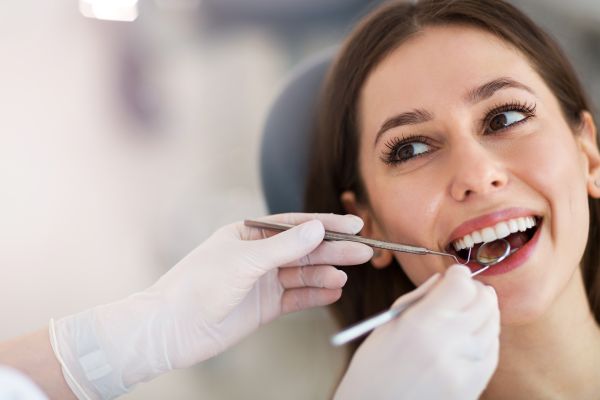
Osteoporosis can cause unpleasant signs that are noticeable by your dentist, even before you receive a diagnosis from your doctor. Although it affects women over 50 most often, osteoporosis can affect anyone at any age. Unfortunately, there is no cure for osteoporosis, but a big part of controlling the disorder is catching it early on. This is where your dentist comes in.
Literally meaning “porous bone,” osteoporosis is just that –– a condition that is characterized by weakened, brittle bones in the body. The body is constantly absorbing and replacing bone tissue, but when a patient has osteoporosis, the bones cannot regenerate as quickly as the bone is lost.
Those who have a history of calcium deficiency, osteoporosis in the family, smoking, alcohol intake, inactive lifestyle and menopause may be at a higher risk for developing osteoporosis. Early on, many people have no symptoms at all until they experience a bone fracture. A dentist can actually help to prevent this fracture from ever becoming a reality.
Signs of osteoporosis in the mouth
While a true diagnosis must come from a medical professional, dentists are often the first to suspect osteoporosis in a patient. Osteoporosis is a difficult disorder to detect, and it goes widely undiagnosed until their bone density has decreased sharply. However, there are ways for dentists to detect signs of early osteoporosis in the mouth.
After considering the patient's background and medical history, the dentist will complete a full clinical exam. This can be completed at the same time as a dental cleaning, every 6 months.
Jawbone loss
Since osteoporosis affects the bones, the jawbone often shows signs of deterioration during the first stages of the disorder. Jawbone density loss can be determined through an X-ray. If there are no other causes to justify the bone loss in the jaw (for example, an abscess in the jaw or losing a tooth can also cause bone loss), the dentist may consider osteoporosis.
Unexplained bone loss in the jaw is often one of the first signs of bone loss in other parts of the body. This decrease in jawbone volume may be more apparent in yearly comparisons of dental X-rays.
Gum disease
Persistent gum disease that does not seem to heal may be a sign of osteoporosis. In patients with otherwise healthy mouths, gum disease that does not heal is uncommon. Most stages of gum disease can be cured with a single trip to the dentist. But when gum disease keeps coming back, it can signal a bigger problem.
Gum disease is caused by bacteria in the mouth, which produces acid as a result of digestion. This acid can build up at the gumline and cause small pockets to form in the gums. Eventually, the gums begin to pull away from the teeth, further loosening their grip on the teeth.
This infection, if unchecked, can attack the roots of the teeth in the jawbone and cause an abscess to form. Those with osteoporosis have weakened jawbones, and so have a bigger chance of gum disease moving into the jaw and wreaking havoc.
Tooth loss
When tooth loss cannot be explained by any other health issues, osteoporosis is usually the culprit.
Despite popular belief, teeth are not bones. They are actually made up of a very strong, hard calcified tissue known as dentine. When osteoporosis causes tooth loss, the problem lies within the jawbone, not the teeth themselves.
Teeth are rooted into the jawbone and gain all of their support from this all-important structure. As the jawbone begins to deteriorate due to osteoporosis, the teeth no longer have a sturdy structure to hold them in place. As a result, teeth can loosen and eventually fall out with undiagnosed osteoporosis.
Do you have osteoporosis?
To catch osteoporosis early on before it can cause big problems, visit your dentist for a bi-annual checkup and cleaning. Make sure to bring up any of the above concerns if they apply to you, and the dentist will be able to refer you to a specialist if they suspect osteoporosis.
Request an appointment here: https://totalcareimplantdentistry.com or call Total Care Dentistry & Implants at (760) 394-3088 for an appointment in our Palm Desert office.
Check out what others are saying about our services on Yelp: Read our Yelp reviews.
Related Posts
Conventional dentures are common solutions for tooth loss. These are custom-fit dental restorations that can replace your missing teeth and lift your facial. These dental replacements can improve your dental functions as well. Here are the details on how dentures can help you regain your smile.Tooth loss can make eating painful and nerve-racking. The remaining…
Dental restorations can fail. Seeing your dentist right away can help correct the situation if it happens. Your restorations may need replacements already. Routine dental visits allow your dentist to check your restorations and schedule the next appointment for the re-treatment. If you want to know what happens when dental restorations fail, here are the…
Dentures provide an accessible opportunity for people to enjoy full arches of teeth, but caring for dentures takes extra time. While denture care does not have to be complicated, caring for your dentures does mean knowing what to do and what to avoid.Denture care can be broken down into two categories: things that should be…
Choosing a family dentist can be daunting, especially if you are new to a neighborhood or city. However, a family dentist is an important member of your healthcare team and can help you maintain good oral health for your entire family. The following blog includes tips to help you choose a family dentist that is…