Dental Inlays Vs. Dental Onlays For A Full Mouth Reconstruction
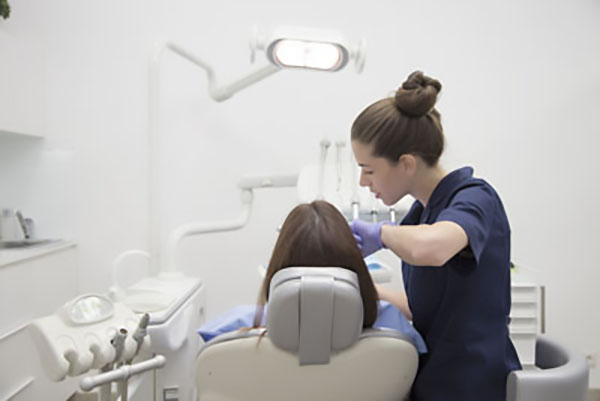
A full mouth reconstruction is the repair or replacement of most, or even all, of a person’s teeth. The end goal of the treatment is to restore the health, function and aesthetic of a patient’s mouth. Most candidates for a full mouth reconstruction are people with multiple and widespread dental issues.
A full mouth reconstruction
Full mouth reconstruction procedures prioritize oral health over aesthetics, however, this is not to say that the dentist will not consider cosmetic procedures and goals too.
Dental inlays and dental onlays: A comparison
Both inlays and onlays are types of indirect fillings that are commonly used in full mouth reconstructions. This means that a dentist will have the restorations fabricated, based on impressions of the patient’s prepared teeth. When they receive the restoration from a dental lab, the dentist then places the fabricated restoration in the hole caused by tooth decay. In contrast, direct fillings involve placing putty-like material directly into a cavity.
So what is the difference between the two types of indirect fillings? A dental inlay fits inside the hole that the dentist creates when they remove infected dental tissue during treatment. An inlay only extends to the chewing surface at the center of the molar, but not to the tips or cusps of the tooth.
An onlay not only fills the hole created by the removal of damaged dental tissue, but it also covers the cusps of the molar. A dentist will use an onlay when the damage from tooth decay reaches past the inner tooth to the outer ‘walls’ or structure.
The role of dental inlays and onlays in full-mouth restoration
A candidate for a full mouth reconstruction usually has a set of oral health problems that affect the teeth, gums, jaw or the palate. The most common of these problems are:
- Extensive tooth decay
- Broken or fractured teeth
- Gum infections
- Jaw problems like malformation and TMJ disorders
Inlays and onlays resolve the first oral health problem on the list, which is often tooth decay. So where does the placement of indirect fillings fall in a treatment plan?
Treatment plans for full mouth reconstructions consist of an ordered list of procedures. The list tackles the most immediate problems first. Tooth decay often falls under the ‘immediate problem’ category because, at its core, tooth decay is an infection. The list continues to procedures that tackle underlying issues like gum disease (also an infection) and jaw disorders.
It then follows that the placement of onlays and inlays would be high on the list of procedures that form a custom treatment plan for a patient with advanced tooth decay.
The first step to a healthy mouth starts right here
Patients wanting a full mouth reconstruction should start by reaching out to a dental practice to set up a consultation with a dentist. Reach out today to learn more or to get started!
Request an appointment here: https://totalcareimplantdentistry.com or call Total Care Dentistry & Implants at (760) 394-3088 for an appointment in our Palm Desert office.
Check out what others are saying about our services on Yelp: Read our Yelp reviews.
Related Posts
Dentures are one of the leading tooth replacement options. The process of getting them from consultation to final fitting may look a little different for everyone, depending on factors like the type of denture the patient chooses and any preparation needed. If you are considering dentures, this process overview will give you a general idea…
There are more tooth replacement options available today than ever before. Still, a large number of patients still opt for traditional dentures. This option offers advantages other tooth replacements do not, and these advantages make dentures a better choice for some patients.What is meant by “traditional dentures”Traditional dentures are custom-made appliances, usually composed of porcelain…
Dentures can help restore your smile and bring back your dental functions. Smiling, speaking, and eating improve with these restorations. Your dentist can help you gain the most out of them. Here are the details on how dentures can restore your oral function. Research reveals that many dental problems can surface. Dentures can replace missing…
Gum disease treatment helps protect the teeth, support healthier gums, and reduce the risk of long-term damage caused by infection and inflammation. Many patients are surprised to learn how common gum disease can be — especially early-stage gum disease. What begins as mild gum irritation may gradually affect the tissues and bone that support the…