General Dentistry: What to Expect During a Teeth Cleaning
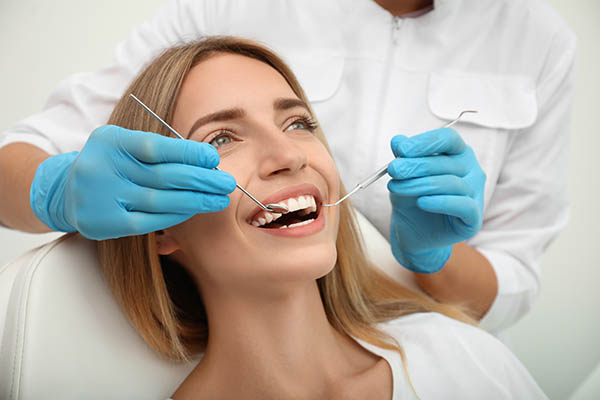
Curious about what happens during a teeth cleaning at a general dentistry office? Read on to learn more about what to expect during a professional dental cleaning. You may be aware that the dentist cleans your teeth and examines your mouth for signs of oral issues, but you might not know the exact steps involved. People who are anxious about dental visits can be more comfortable if they know what happens during a dental cleaning.
The importance of dental cleaning
There are two primary reasons to get regular dental cleanings: to avoid disorders that affect the rest of the body and to prevent tooth loss. The mouth endures a lot of stress from chewing and talking throughout the day. The dental professional removes plaque and tartar from the teeth during a dental cleaning. Gum disease may occur due to too much plaque accumulation on the teeth.
Tartar should be cleaned off because the body regards it as a foreign material. Therefore, the body's immune system will try to fight the infection. There is a constant struggle in the mouth against bacteria and plaque. To level the playing field, regular teeth cleanings are necessary. The body's response to tartar accumulation is irritated and bleeding gums, which signals the onset of gum disease. Gum disease worsens with time, resulting in bone and tissue loss throughout the mouth.
Chronic stimulation of the immune system weakens the body's ability to fight an infection since the immune system is designed to only fight infection for a limited time. An overactive immune system is linked to various illnesses throughout the body. Preventing gum disease thereby lowers the risk of heart attack, stroke, and dementia.
Since the damage caused by severe gum disease is irreversible, prevention is the most effective method to preserve general health and keep the teeth for a long time. Dental cleanings are an important part of this prevention measure.
General dentistry: the teeth cleaning process
Bi-annual dental visits can lower the risk of developing gum disease, remove plaque and tartar accumulation, and prevent cavities from progressing. Although the exact cleaning procedure differs in each general dentistry office, patients may generally expect the following during teeth cleaning:
Initial exam
Generally, a dentist will first check the patient's teeth and gums. They may use a mirror during this quick examination to get a closer look at all the different parts of the oral cavity. They will look for symptoms of problems such as swollen gums (gingivitis) and dark patches on the teeth (cavities). Also, the dentist will usually inquire if patients have any concerns about their teeth or gums before beginning the cleaning. This is the time to ask questions about the cleaning process.
Plaque and tartar removal
The dentist will then use a scaler to remove plaque and tartar from the gum line and around the teeth. Plaque (a bacterial film) can lead to cavities and gum disease, and if not cleaned off, it will harden into tartar. Although plaque may be removed by brushing and flossing, tartar is only removable by a dental professional.
This step often comes with scraping noises. The length of time it takes to remove tartar depends on the extent of tartar accumulation. Furthermore, patients with gingivitis may experience bleeding gums after tartar removal. The oral cavity may also feel slightly sore.
Polishing
The dentist will remove any residual stains after removing plaque and tartar. They will then use a power toothbrush to clean the teeth thoroughly with gritty toothpaste. The use of a powerful electric toothbrush may make this process noisy. The abrasive toothpaste also polishes the teeth, leaving them smooth and gleaming.
Professional flossing
Flossing is the following step. The dental professional will slide a length of floss between the teeth to remove plaque. During this stage, the dentist may inquire about the patient's flossing routine and provide tips on flossing correctly.
Fluoride treatment
The dentist may administer a fluoride treatment to protect the teeth against cavities until the next cleaning or check-up at the dentist's office. A tray filled with fluoride foam or gel that fits over the teeth may be inserted by the hygienist during the procedure and will stay in the mouth for approximately one minute. The excess fluoride will then be rinsed away with water.
Final note
Professional dental cleaning is a preventive care treatment provided in a general dentistry office. To get started, contact our dental office to book an appointment for a cleaning and exam.
Request an appointment here: https://totalcareimplantdentistry.com or call Total Care Dentistry & Implants at (760) 394-3088 for an appointment in our Palm Desert office.
Check out what others are saying about our dental services on Yelp: Teeth Cleaning in Palm Desert, CA.
Related Posts
Visiting the dental office for checkups and dental cleaning can be inconvenient. However, cleaning appointments are an important investment. Read on to learn about why dental cleanings are necessary. It can be useful to know why teeth cleanings are important for those who do not think much about the cleaning process. The dental professional can…
The best way to deal with oral health concerns is through prevention. One of the best ways to prevent oral health concerns such as dental cavities and gum disease is through regular dental cleaning visits with your dentist. This review discusses how often dentists recommend a dental cleaning and why it is so important for…
Biannual dental cleanings are generally enough to maintain oral health when the gum and bone tissues supporting the teeth are in good condition. However, if plaque, tartar, or bacteria have accumulated along the gumline, it could mean that periodontal disease has affected the gums and jawbone, which can be detrimental to your oral and overall…
You should get bi-annual dental cleaning provided by a dental professional to complement your daily oral hygiene regimen. The dentist will clean your teeth using advanced instruments and techniques. Although many people believe that a dental cleaning is close to what they do at home, it is somewhat different and can help prevent oral issues…